Southborough House Clearance: Disposal & Recycling Law
Posted on 12/07/2026

Southborough House Clearance: Disposal & Recycling Law
If you are planning a house clearance in Southborough, the legal side can feel like the awkward bit nobody wants to talk about. But disposal and recycling law matters just as much as lifting the furniture out the door. One wrong bin, one careless fly-tip, or one unlicensed handler, and a simple clear-out can turn into a messy headache. This guide to Southborough House Clearance: Disposal & Recycling Law explains what you need to know in plain English, so you can clear a property properly, protect yourself from avoidable problems, and keep as much waste as possible on the right side of the recycling stream.
We will look at what the law means in practice, how clearance jobs are usually handled, what happens to different types of waste, and the mistakes that catch people out. If you are sorting a family home, dealing with a rental turnaround, or just decluttering before a move, this should give you a steadier footing. And yes, there is a lot more to it than just "put it in a van and hope for the best".
Why Southborough House Clearance: Disposal & Recycling Law Matters
House clearance is not just a logistical task. It is a disposal decision, a transport decision, and often a recycling decision too. In the UK, household waste must be handled lawfully, and that means the person arranging the clearance should think about where items are going, who is taking them, and whether the waste stream is mixed up with anything risky.
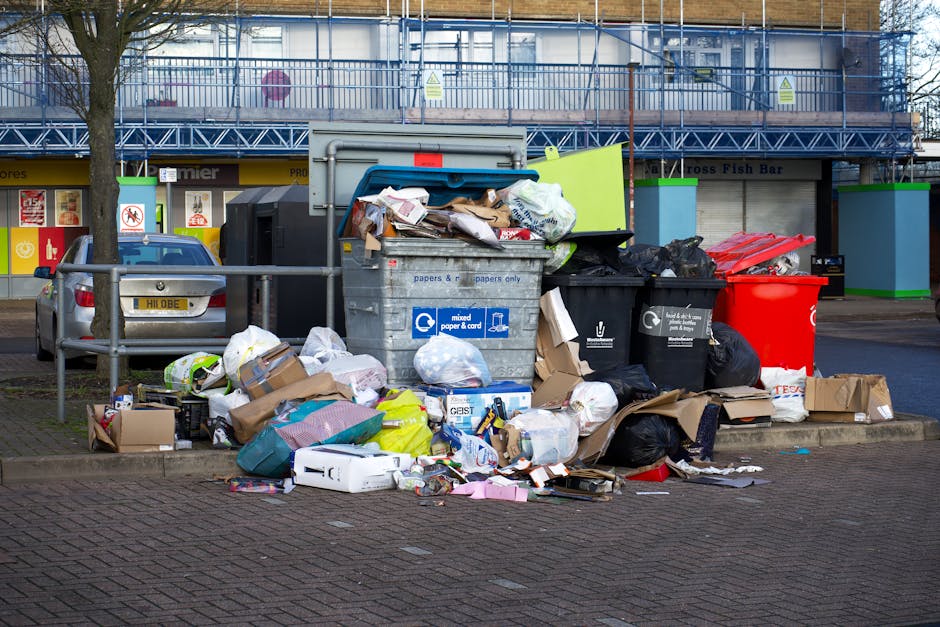
That matters for three very practical reasons. First, there is the risk of illegal dumping. If waste ends up fly-tipped, the original owner can sometimes be asked awkward questions about how it was handed over. Second, some items need special handling: fridges, freezers, mattresses, paint, and electricals are not just "more rubbish". Third, recycling expectations are higher now than they used to be, so a responsible clearance should separate reusable, recyclable, and landfill-bound material instead of throwing everything together.
In Southborough, where many homes are a mix of older properties, flats, and busy residential streets, that can get tricky quickly. Narrow access, parking limits, and council rules all come into play. A tidy-looking pile on the pavement is still a problem if it is not handled properly. Truth be told, most clearance mistakes happen because people are rushing. A bit of planning saves a lot of trouble later.
If you are also trying to time the clearance around a move, it may help to read the art of decluttering before a house move and secrets to efficient pre-move-out house cleaning, because clearance and moving prep often overlap.
How Southborough House Clearance: Disposal & Recycling Law Works
At a practical level, house clearance law works by separating responsibility. You decide what is being cleared. A carrier collects or transports it. The waste then needs to go to an authorised route: reuse, recycling, treatment, or disposal. If anything is classed as controlled waste, the person moving it should be able to do so lawfully. That means the paperwork, the destination, and the handling method all matter.
For most domestic clearances, the big questions are simple:
- Can the item be reused by someone else?
- Can it be recycled safely and cleanly?
- Does it need specialist handling because it is electrical, bulky, hazardous, or contaminated?
- Will the collection vehicle and waste route comply with local expectations and national rules?
The law is not there to make life difficult, despite how it may feel on a rainy Tuesday afternoon when you are staring at a broken wardrobe. It exists to stop waste being dumped in the wrong place, to protect the environment, and to keep dangerous materials away from ordinary recycling lines.
In the real world, a good clearance usually begins with sorting. Then comes lifting and loading. Then comes routing the waste to a facility or reuse channel that fits the item type. For heavier or awkward belongings, it may also involve careful planning for access, parking, and transport. If a property has tight stairs or awkward corners, a methodical approach is worth its weight in gold. For some of those practical moving concerns, the guides on lifting heavy objects alone and packing for narrow lanes in Southborough can be surprisingly useful.
One thing people often miss: a legal clearance is not only about disposal at the end. It is also about the moment the waste leaves the property. If the carrier is not licensed or the load is not secured, the chain of responsibility starts to wobble. That is where good judgement matters.
Key Benefits and Practical Advantages
Done properly, compliant clearance is not just safer. It is smoother, cleaner, and usually less stressful. You notice the difference quickly.
- Lower legal risk: You reduce the chance of being linked to fly-tipping or improper waste handling.
- Better recycling rates: More items can be separated for reuse or recycling instead of being treated as mixed rubbish.
- Less property damage: Careful sorting and loading cuts the risk of scratching floors, walls, and bannisters.
- More efficient clearances: A planned process saves time on the day, especially in homes with awkward access.
- Cleaner handover: This is especially useful for landlords, sellers, and families preparing a property for sale or letting.
There is also a quieter benefit: peace of mind. When a job is handled lawfully, you do not keep second-guessing what happened to the old sofa, the broken freezer, or the stack of miscellaneous boxes hiding in the spare room. That may sound minor, but for many people it is the bit that really matters.
If the clearance is part of a bigger move, a broader planning mindset helps. Articles like effortless house moving without the stress and strategic packing for moving day can help tie the whole process together.
Who This Is For and When It Makes Sense
This topic matters to a lot more people than you might expect. If you are wondering whether it applies to your situation, the short answer is probably yes if you are moving, clearing, downsizing, or emptying a property.
It is especially relevant for:
- Homeowners clearing after a sale or renovation
- Tenants who need to leave a property empty and in reasonable condition
- Landlords and letting agents handling end-of-tenancy clearances
- Families managing a bereavement clearance, where there may be a mix of keepsakes and waste
- People decluttering before storage, refurbishment, or a smaller move
- Anyone with bulky items that are awkward to move or hard to dispose of legally
It also makes sense when you have a lot of mixed material. For example, a garage clearance might contain garden chemicals, old tools, cardboard, furniture, and electricals all in one place. That is where mistakes happen if everything is bundled together without a plan. A careful sort at the start is boring, yes, but it is the sensible bit.
If you are dealing with furniture, larger rooms, or items that are awkward to manoeuvre, you may also find furniture removals in Southborough and relocating your bed and mattress relevant to the wider move.
Step-by-Step Guidance
If you want a clearance that is both practical and compliant, this is the simplest way to approach it.
- Walk through the property first. Make a rough list of large items, recyclables, electricals, and anything potentially hazardous. You do not need a perfect inventory, just a decent one.
- Separate reuse from disposal. Things in usable condition may be better passed on, sold, or donated. That reduces waste and often reduces cost too.
- Identify special items. Fridges, freezers, TVs, batteries, paint, and sharp objects deserve extra care. Do not leave them mixed into general furniture waste.
- Check access and parking. In Southborough, tight roads or limited loading space can change the whole plan. If the vehicle cannot stop close by, loading times and handling risks increase.
- Use suitable packing and protection. Wrap fragile pieces, tape loose doors, and keep screws or fittings in labelled bags. A small detail, but it saves nonsense later.
- Confirm the disposal route. Ask how the waste will be managed, especially if you have a lot of mixed items. Reputable operators should be able to explain the process plainly.
- Keep records if needed. For landlords, agents, and anyone managing a property professionally, it is wise to keep notes of what was cleared and when.
- Inspect the property afterwards. Check cupboards, lofts, sheds, and behind doors. House clearances always seem finished until someone finds the last box in the oddest place imaginable.
If any of that feels like more than you want to handle alone, a professional service can take on the loading and routing side while you focus on sorting. The main thing is that nothing gets rushed into the wrong channel.
Expert Tips for Better Results
Here are the practical habits that make the biggest difference in a clearance job.
- Sort before you lift. It sounds obvious, but people often start carrying items out too early. Sorting at the door slows everything down later.
- Keep one area for reuse. A separate corner for items that might be donated or sold helps avoid accidental disposal.
- Do not mix clean recyclables with contaminated waste. Greasy cardboard, broken glass, and loose liquids can spoil a recycling batch fast.
- Protect floors and thresholds. Old properties, especially with wooden floors or narrow halls, can mark easily. A bit of shielding goes a long way.
- Use proper lifting technique. If a clearance day also involves heavy furniture, the advice in kinetic lifting basics and moving heavy objects safely on your own can help reduce strain.
- Plan for "surprise" waste. There is always something odd: an old printer, a cracked lamp, a box of cables, a forgotten freezer drawer. Leave a little time for the odd bits.
One tiny but useful tip: keep a marker pen and a few labels nearby. It feels almost too simple, but it makes the difference between tidy segregation and a vague pile that nobody can make sense of. And vague piles are the enemy here.

Common Mistakes to Avoid
Most problems in house clearance are not dramatic. They are just preventable. A few small errors, and suddenly the job becomes expensive or awkward.
- Assuming everything can go in one load. Mixed waste is often the least efficient and least recyclable option.
- Leaving hazardous items hidden in cupboards. Old chemicals, aerosols, and batteries can be easy to miss.
- Using an unlicensed or unclear carrier. If you cannot tell how waste will be handled, that is a warning sign.
- Ignoring access limits. Parking restrictions, narrow lanes, and shared entrances can create delays and safety issues.
- Forgetting to empty appliances properly. A freezer or fridge that is not prepared correctly can create leaks, smells, and handling problems.
- Leaving the final sweep too late. Small items, paperwork, and loose fixtures often get missed when everyone is focused on the big furniture.
There is also the classic "I'll sort that later" habit. Later rarely arrives. If you want a calmer clearance, deal with the awkward items early. It is one of those jobs where a little discipline saves a lot of muttering under your breath.
Tools, Resources and Recommendations
You do not need a warehouse of equipment to manage a clearance properly, but a few sensible tools make things easier.
- Heavy-duty gloves for splinters, sharp edges, and dusty loft items
- Marker pens and labels for sorting and categorising
- Sturdy sacks and boxes for smaller waste streams
- Furniture blankets or wraps for protecting reusable pieces
- Tape and cable ties to secure loose parts
- A simple room-by-room checklist so nothing gets overlooked
If you are trying to keep the broader move tidy as well, the pages on packing and boxes in Southborough and efficient pre-move-out cleaning are worth a look. For longer delays, storage in Southborough can help you avoid dumping items just because you have no immediate place for them.
One practical recommendation: keep a short decision list beside you - keep, donate, recycle, dispose, unsure. That alone can save hours. Really, it can.
Law, Compliance, Standards, or Best Practice
While this article is not legal advice, there are a few broad principles that are worth understanding. In the UK, household waste should only be transferred to someone who can handle it properly. If a clearance job is done by a business, the operator should be able to show that waste is carried and managed lawfully. That is the baseline expectation, not a bonus.
Good practice usually includes:
- Separating reusable items from waste where possible
- Handling electrical items and white goods carefully
- Keeping hazardous materials out of general loads
- Preventing spillage, damage, or fly-tipping during transport
- Making sure the property is left safe and tidy after collection
For householders, the main compliance risk is often not direct illegal activity but poor handover. If you give waste to someone and it disappears into an unknown route, you have very little peace of mind. That is why clarity matters. Ask how items will be sorted, where they will go, and whether recycling is part of the plan. If the answers are vague, trust that feeling.
Local logistics can matter too. Southborough streets, timing, parking access, and narrow approaches all affect how safely waste can be removed. That is why some people combine clearance with a move and keep it organised through a clear quote checklist and practical access and parking planning.
Options, Methods, or Comparison Table
There is more than one way to handle a house clearance. The right method depends on volume, time, access, and how much sorting you want to do yourself.
| Method | Best for | Pros | Trade-offs |
|---|---|---|---|
| Self-clearance | Small loads, very simple items | Full control, flexible timing | Time-consuming, manual lifting, transport risk |
| Mixed household clearance service | General house clear-outs with many item types | Fast, convenient, less physical strain | Needs good communication and sorting at the start |
| Separate reuse/recycling approach | Clearances with valuable or reusable belongings | Better environmental outcome, less waste | Takes more planning and space |
| Phased clearance | Bereavement, downsizing, or staged moves | Less overwhelming, easier decision-making | Can take longer overall |
For many people, a phased approach feels kinder. You do not have to do the whole house in one hit. That is especially true if you are dealing with sentimental items or a property that has been lived in for years. No shame in taking it room by room.
Case Study or Real-World Example
Imagine a Southborough couple clearing a three-bed house before a sale completion. The property has an old sofa, two wardrobes, a freezer, boxes of books, assorted kitchenware, and a garage that has quietly become a graveyard for broken tools and garden bits. It is a very normal situation, honestly.
They start by separating what they want to keep, what can be donated, and what clearly needs disposal. They then flag the freezer and any electricals as special items. Because the road outside is narrow and parking is limited, they check access before the removal day rather than after the van has arrived. That one step saves a lot of frustration.
The best part? The clearance is not rushed. Reusable items are set aside. Recyclables are kept clean. Waste is loaded in a way that reduces damage and confusion. The property is left clear, and the couple can hand it over with confidence instead of a last-minute scramble.
That is really what compliant clearance looks like in the real world. Not glamorous, no. But calm, sensible, and much easier to live with.
Practical Checklist
Use this as a quick pre-clearance check.
- Walk through every room, loft, shed, and cupboard
- Separate keep, donate, recycle, and dispose piles
- Identify electricals, fridges, freezers, batteries, and hazardous items
- Check parking, access, stairs, and doorway width
- Protect floors, walls, and bannisters where needed
- Label boxes and bag loose fittings
- Prepare appliances properly before moving them
- Confirm how waste will be handled and where it will go
- Keep a simple record of what has been removed
- Do a final room-by-room sweep before handing over the keys
Expert summary: the safest and cleanest house clearances are the ones that treat waste, recycling, access, and lifting as one plan rather than four separate jobs. That's the whole trick, really.
Get a free quote today and see how much you can save.
Conclusion
Southborough house clearance is rarely just a matter of emptying rooms. Disposal law, recycling responsibility, access planning, and careful handling all sit underneath the visible job. Once you understand that, the process becomes much less intimidating. You know what needs sorting, what needs special treatment, and what should never be dumped or guessed at.
If you are clearing a property now, start with the simple stuff: sort early, separate the awkward items, and be honest about what needs professional help. A sensible clearance is not only cleaner and safer, it is easier on everyone involved. And that, to be fair, is what most people actually want.
One steady step at a time is enough.