Packing for Narrow Lanes in Southborough: Damage Prevention
Posted on 04/07/2026

Moving through Southborough's narrower lanes can be a bit of a balancing act. One wrong turn, one overfilled box, one awkwardly packed wardrobe, and suddenly a smooth move turns into a scraping, wobbling, mildly stressful affair. Packing for Narrow Lanes in Southborough: Damage Prevention is really about thinking ahead: protecting your furniture, preventing knocks to walls and gates, and keeping the whole move controlled when space is tight.
In practice, that means packing in a way that suits restricted access, tight corners, parked cars, and the kind of lane where you may only get one good chance to load or unload neatly. This guide walks you through what matters, how to do it properly, and where the common damage risks hide. It's practical, local, and built for real moving day conditions-not ideal conditions.
If you're already planning the move, it can also help to read about strategic packing for moving day and decluttering before a house move; both make narrow-lane jobs easier before a single box is lifted.
Why Packing for Narrow Lanes in Southborough: Damage Prevention Matters
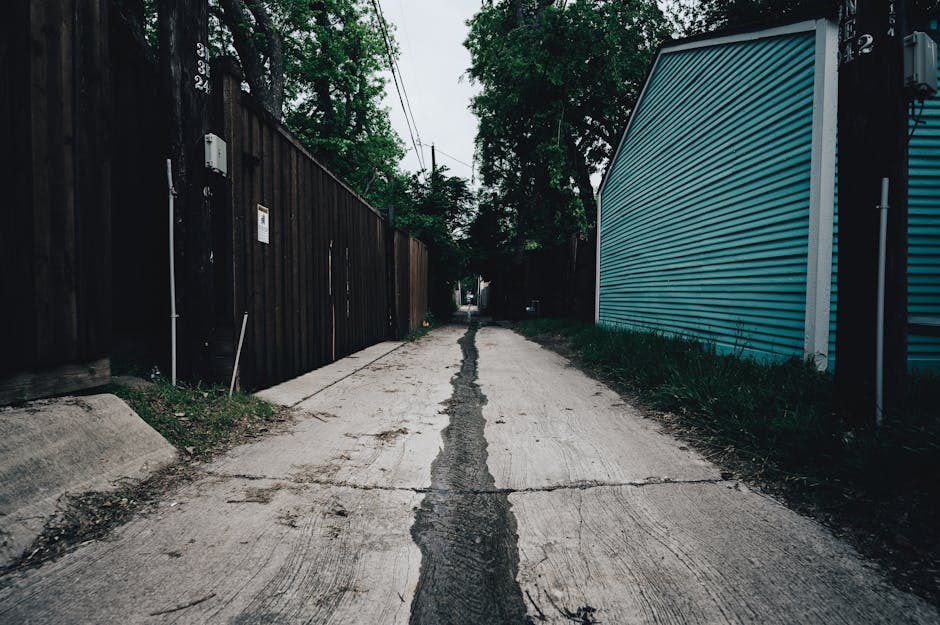
Narrow lanes change the moving job completely. There is less room to swing boxes through doorways, less margin for error around mirrors and skirting boards, and often less space to stage items outside the property. In Southborough, where access can be tight in certain streets and lanes, the risk is not just to the item you're moving. It can also be to walls, railings, floors, doors, the van itself, and even neighbours' parked cars.
Damage usually happens in the small moments people don't plan for. A box is too wide to turn comfortably. A sofa catches on a corner. Someone shifts their grip while walking backwards. The problem isn't always heavy lifting; often it's poor packing shape, weak wrapping, or no clear route out. Truth be told, most moving damage is preventable.
That is why the packing stage matters so much. If items are stacked badly, label-free, or too fragile to move in one clean carry, narrow lanes amplify every mistake. You notice it immediately. The whole process becomes stop-start, and stop-start is where the bumps begin.
Expert summary: In a tight-access move, good packing is not just about tidiness. It is a damage-prevention system. Shape, weight, cushioning, labels, and sequence all need to work together.
For people moving larger household items, it also helps to understand the stress points of specific pieces. A sofa, bed frame, piano, or appliance needs a different approach from a stack of books. If you want to think ahead on bulky furniture, the guide on keeping sofas protected long term is a useful related read, and the article on relocating beds and mattresses is especially handy for awkward bedroom moves.
How Packing for Narrow Lanes in Southborough: Damage Prevention Works
The basic idea is simple: reduce the amount of friction, imbalance, and indecision in the move. When a lane is narrow, every object should be packed so it is easier to carry, easier to stack, and easier to protect while you navigate tight space.
There are four practical layers to this:
- Shape control: pack items into boxes that stack cleanly and do not bulge. Odd shapes are harder to carry through narrow routes and more likely to snag.
- Cushioning: fragile items need movement inside the box reduced. Void fill, wrapping, and partitioning all matter.
- Weight balance: overloading creates sudden drops, tilts, and grip failure. Evenly loaded boxes are much safer.
- Route awareness: pack according to the route, not just the room. If you have tight stair turns or a slim alley exit, large or awkward items should be prepared differently.
Here is the bit people sometimes miss: the pack should make the carry easier before it ever reaches the van. That means handles should be secure, box lids should stay closed, and fragile items should not rattle. If a box sounds like a toolbox full of cutlery, it's already telling you something.
Strategic sequencing matters too. Heavy, sturdy items go first and lowest. Light, crushable items go above them only if they are properly supported. Delicate items need separation, not just padding. And if a piece is too awkward to move safely through the lane, it may be better to split it down, remove legs, or keep it in storage until the access point is clearer. That isn't over-cautious; it's sensible.
Some moves also benefit from a lighter load overall. If you know access will be tight, combining packing with decluttering can make an enormous difference. Less stuff, fewer box runs, fewer chances for damage. Simple, really.
Key Benefits and Practical Advantages
Good packing for narrow lanes gives you more than fewer scratches. It improves the whole move from start to finish.
- Less physical strain: balanced boxes and sensible item grouping reduce awkward carrying.
- Lower breakage risk: proper cushioning and stable stacking keep fragile goods intact.
- Faster loading: when boxes are ready to go, loading becomes more orderly and less stop-start.
- Reduced wall and doorway damage: compact, controlled items are easier to guide around corners.
- Better use of van space: tidy packing means fewer gaps, less shifting, and less transit movement.
- Less stress on moving day: and let's face it, calm matters when you're manoeuvring through a tight Southborough lane with people waiting behind you.
There is also a confidence benefit. When you know the boxes are packed properly, you stop second-guessing every carry. That sounds minor, but it really helps. Movements become deliberate. People communicate better. The van load feels controlled, not improvised.
If you are comparing move options, it is worth reading about man with a van support in Southborough, man and van help, or broader removal services depending on how much help you need. The right support can prevent damage just by making access management easier.
Who This Is For and When It Makes Sense
This approach is useful for anyone moving in an area where space is limited, but it's especially relevant in a few situations.
- Residents on narrow residential lanes: where vans cannot stop close to the door for long.
- Flat moves and upper-floor moves: where stair turns and landings add another layer of risk.
- Households with larger furniture: sofas, beds, wardrobes, dining tables, and white goods.
- Student moves: when the job is rushed and boxes are often packed inconsistently.
- Office or small business moves: when equipment needs to be secure, labelled, and easy to unload quickly.
- Same-day or short-notice moves: where time pressure can tempt people to cut corners.
It also makes sense if you are moving in wet weather, which in the UK is hardly an exotic possibility. Damp pavements, slippery gloves, and muddy thresholds can make a tight lane move a bit grim. Pack for grip and protection, not just for storage.
For flats in particular, you may find it useful to look at flat removals in Southborough and student removals, because the access issues and packing habits are often similar.
Step-by-Step Guidance
Here is a practical way to approach the packing process when the lane is tight and the damage risk is higher than usual.
1. Walk the route first
Before you pack a single plate, walk the route from the front door to the van. Notice pinch points: gates, bins, low walls, steps, uneven paving, and any awkward turns. If you can't turn a box smoothly in your hands, it will not magically become easier once you've got three of them and a mattress in play.
2. Group items by carry risk
Separate items into fragile, heavy, awkward, and quick-load categories. This helps you decide what needs extra padding, what needs dismantling, and what should be carried last. It also keeps everyone from piling random objects into the same pile.
3. Pack sturdy boxes first
Use strong, uniform boxes for the bulk of your belongings. Fill them fully, but not absurdly. A half-empty box collapses; a grossly overfilled one can split open at the worst possible moment. The sweet spot is firm and stackable.
4. Protect corners and surfaces
Wrap sharp corners, table legs, frame edges, and polished surfaces with suitable padding. Corner damage is common in narrow passages because corners meet corners. Funny that. Not funny when it's your sideboard, though.
5. Label clearly on more than one side
Labels should be visible when the box is stacked sideways or placed in a van. Mark fragile items, heavy items, and the destination room. This speeds up unloading and reduces mistaken placement.
6. Dismantle what can be dismantled
Remove table legs, bed frames, shelving parts, and loose fittings where safe to do so. Smaller pieces are easier to control in tight access spaces and much less likely to clip a wall or door frame.
7. Prepare a first-out box
Keep essentials separate: kettle, chargers, toiletries, tea, documents, small tools, and a few basics for the first night. If the lane makes unloading slow, you will be glad you can reach these quickly without rummaging through a stack of sealed boxes.
8. Keep the load sequence intentional
Load the van in a planned order. Heavy items low and secure, lighter boxes above, fragile items where they will not be crushed. If the route back and forth is awkward, think in terms of fewer journeys, not faster journeys. That distinction matters.
For larger appliances, if you're moving a freezer or kitchen stock, it can help to review idle freezer maintenance and efficient pre-move house cleaning before moving day so you are not dealing with leaks, smells, or loose debris in a narrow access route.
Expert Tips for Better Results
Small adjustments often make the biggest difference. These are the things experienced movers tend to do without fuss.
- Use smaller boxes for dense items. Books, records, tools, and crockery are safer in compact boxes.
- Keep each box single-purpose where possible. Mixed box contents make damage more likely because padding needs vary.
- Reinforce the base of every box. A weak base is one of the most irritating surprises on moving day.
- Protect floors at both ends. A runner or cover can reduce scuffs where the route narrows.
- Bundle loose items together. Chair cushions, lampshades, cables, and hardware should be grouped and labelled.
- Photograph dismantled fittings. It saves headaches during reassembly. Annoying little screws have a talent for disappearing.
- Use clean blankets and wraps for furniture. They help in stairwells and around gate posts, especially in damp weather.
- Leave a little breathing room in the van. Overpacking the vehicle increases shifting and pressure points.
A practical note: if you're moving a piano or any especially fragile large item, don't assume standard packing is enough. There's a reason people choose specialist help for that kind of job. The article on professional vs DIY piano moving is worth a look if that sounds familiar.
![A detailed image of a wild turkey standing outdoors in a garden or backyard, with its head and neck prominently in focus. The turkey's head features pinkish skin, a bumpy texture, and a small, pale beak. Its body is covered in dark, layered, slate-gray feathers with a slight shimmer, and the tail feathers are arranged neatly. In the background, there is lush green grass and some blurred pink and blue flowers on the right side, suggesting a garden environment. The lighting is natural, possibly during daylight hours, casting soft shadows on the turkey's body. This scene captures the bird in a natural setting, useful for illustrating wildlife or rural outdoor environments connected to house removals or the transport of household items in a countryside or garden setting, which could be relevant to [PAGE_TITLE] of [COMPANY_NAME] in Southborough.](/pub/blogphoto/packing-for-narrow-lanes-in-southborough-damage-prevention2.jpg)
Common Mistakes to Avoid
Most avoidable damage comes from a small set of recurring mistakes.
- Using oversized boxes for heavy items: these become unmanageable quickly and can split in cramped access areas.
- Packing fragile items with no internal cushioning: even short lifts create movement inside the box.
- Ignoring the route shape: if a box can't comfortably turn at the corner outside, it will become a problem later.
- Skipping labels: unlabeled boxes are slower to load and more likely to be set down in the wrong place.
- Leaving furniture assembled when it should be dismantled: large assembled pieces are harder to control in narrow lanes.
- Rushing the final wrap: half-wrapped corners and dangling tape are classic damage triggers.
- Forgetting weather protection: wet cardboard weakens fast, and that's no joke on a moving day.
Another common error is packing for storage rather than for movement. The two are related, but not the same. Storage can tolerate a bit more static protection. A narrow lane move needs compactness, strength, and carry stability. Different job, different packing logic.
Tools, Resources and Recommendations
You do not need fancy equipment, but a few sensible tools make a big difference.
| Tool or material | Why it helps | Best use in narrow-lane moves |
|---|---|---|
| Strong double-walled boxes | Hold shape under pressure | Books, kitchenware, general household items |
| Packing paper or wrapping paper | Cushions breakables without excess bulk | Plates, glasses, ornaments |
| Blankets and furniture covers | Protects surfaces from knocks and grime | Sofas, wardrobes, bed frames |
| Edge protectors | Reduces corner impact | Tables, cabinets, sharp furniture edges |
| Strapping and tape | Keeps bundles secure | Loose fittings, rolled mats, grouped items |
| Labels and marker pens | Speeds sorting and unloading | Every box, ideally on multiple sides |
For broader planning, packing and boxes in Southborough can support the supplies side, while storage in Southborough is useful if the access problem means you need to move in phases.
If you are organising a whole move rather than just a single awkward item, the services overview and house removals pages can help you think about the kind of support that fits your situation. Not every move needs the same level of help. That's just reality.
Law, Compliance, Standards and Best Practice
For most domestic moves, there isn't a special "narrow lane packing law" as such, but there are still expectations that matter. In the UK, movers and householders alike should think carefully about safety, manual handling, property protection, and avoiding obstruction. In practical terms, that means keeping pathways clear, lifting sensibly, and not creating avoidable risks for yourself or others.
If you hire a removal provider, it is sensible to look at their insurance and safety approach, along with their health and safety policy, terms, and payment security arrangements. These aren't just paperwork pages. They tell you something about how professionally the move is run. The same goes for complaints procedure details and how they handle issues if damage or delays happen.
On the day itself, best practice usually includes:
- safe lifting and carrying methods
- clear communication between helpers
- careful handling of communal areas and shared access points
- respect for neighbours and parked vehicles
- keeping the route free from trip hazards
It is also worth remembering that some local lanes and streets may have practical access constraints, loading challenges, or timing concerns. If you are planning around busier roads or mixed-access areas, articles such as Southborough access and parking tips and peak times to avoid on Southborough High Street can help with timing and route planning.
For move types where specialist handling matters, the site's related guidance on furniture removals, piano removals, and removal van support is also relevant to the bigger picture of safe, damage-aware transport.
Options, Methods, or Comparison Table
When packing for a narrow-lane move, people usually choose one of three approaches. Each has its place.
| Approach | Best for | Pros | Risks |
|---|---|---|---|
| DIY standard packing | Small, low-risk moves | Low cost, flexible timing | Higher chance of poor weight balance or fragile-item damage |
| DIY with careful packing system | Medium moves with tight access | Good control, better protection, cost-conscious | Needs time, discipline, and basic moving experience |
| Professional or assisted packing | Large, valuable, or awkward moves | More efficient, less physical strain, better handling of specialist items | Higher cost, requires scheduling |
The middle option is often the sweet spot for narrow lanes. You stay in control, but you remove a lot of the chaos. If the move includes heavier or specialist pieces, support from removal companies in Southborough or a trusted man and van service can reduce the risk of damage without making the job feel overblown.
Case Study or Real-World Example
A fairly typical Southborough scenario goes like this: a couple moves from a top-floor flat down a narrow lane with a tight parking space at one end. They have a sofa, a bed frame, several book boxes, and a few kitchen cartons. Nothing dramatic. But there are two awkward turns outside, a low wall by the entrance, and a rather determined hallway corner that seems designed to catch furniture.
On the first attempt, they realise the packing is the weak link. A large box of books is too heavy to carry safely through the lane. One lamp box has empty space inside, so it wobbles. The bed parts are not labelled, which slows reassembly later. So they stop, regroup, and repack with a better system: books split into smaller boxes, furniture legs wrapped together, fragile items cushioned more fully, and every box marked by room and contents.
The second run is calmer. The route is clearer, the lifting is easier, and the van load feels more secure. No heroic effort. No panic. Just a little more thought.
That is usually how damage prevention works in the real world. Not by magic, but by removing the handful of avoidable problems that cause most of the trouble. It's oddly satisfying when a plan actually behaves like a plan.
Practical Checklist
Use this before moving day if you want a tighter, safer move through narrow lanes.
- Walk the access route and note tight points
- Measure large furniture and check turning space
- Use strong, uniform boxes where possible
- Keep heavy items in smaller containers
- Wrap corners, glass, and polished surfaces carefully
- Label every box on at least two sides
- Dismantle furniture that will not travel safely assembled
- Pack a first-night essentials box
- Keep floors and thresholds protected
- Plan the loading order before the van arrives
- Separate fragile, heavy, and awkward items
- Check weather protection for cardboard and fabrics
- Confirm who is carrying what, and from where
- Leave no loose hardware or open lids
Quick reminder: if a box feels uncomfortable in your hands before you leave the room, it will feel worse in a narrow lane. Repack it. That small pause can save you a lot of grief later.
Conclusion
Packing for narrow lanes in Southborough is really about reducing risk where space is limited. When you prepare boxes properly, protect furniture surfaces, plan the route, and match the packing style to the access conditions, damage becomes far less likely. You also save time, which is often the thing people underestimate most on moving day.
The takeaway is simple: do not treat narrow access as just a parking problem. It is a packing problem, a carrying problem, and a planning problem all at once. If you handle those three well, the move feels steadier and far less chaotic.
For larger homes, awkward furniture, or moves with limited access and time pressure, it is perfectly sensible to get a bit of extra help rather than trying to brute-force the whole thing. Sometimes the smart move is the calm one.
Get a free quote today and see how much you can save.