London Road Removals (Southborough TN4): Best Routes
Posted on 02/06/2026
London Road Removals (Southborough TN4): Best Routes for a Smooth Local Move
If you are planning London Road removals in Southborough TN4, route choice is not just a background detail. It can shape how long the move takes, how much stress you feel on the day, and whether your items arrive with all the dignity they left with. A good route avoids awkward junctions, reduces delays, and helps the whole job run like it should. Simple enough in theory. In practice, London Road and the streets feeding into it can get busy, tight, or a bit stop-start, especially around school runs, commuter peaks, and those random moments when a delivery lorry decides to stop exactly where you need to turn.
This guide explains the best route considerations for removals in and around London Road, Southborough TN4, with practical moving advice, local planning tips, and the kind of small details that make a big difference on moving day. Whether you are arranging a flat move, a family house move, or a single-item collection, the aim is the same: keep the journey safe, efficient, and calm.
Why London Road Removals (Southborough TN4): Best Routes Matters
Choosing the right route is one of those moving-day decisions people underestimate until they are standing on the pavement with boxes, furniture, and a van that is suddenly in the wrong place at the wrong time. On a street like London Road, the route matters because access can affect everything: loading speed, parking availability, turning space, and how easily larger items can be moved without extra handling.
For removals, a route is not only about getting from A to B. It is about the whole chain of movement: from front door to van, from van to destination, and back again if there are multiple trips. A route that looks "shortest" on paper may not be the best in reality if it involves awkward hill sections, busy pinch points, or difficult junctions for a removal van.
In Southborough TN4, local knowledge helps. You may be dealing with residential streets, narrow parking, and roads that become congested at predictable times. Even a small delay can ripple through the schedule. A van waiting half a minute too long at a junction can throw off the loading rhythm. And once the rhythm goes, the day feels longer. You know the feeling.
That is why many people choose a service with proper area experience, such as local removals in Southborough or a more tailored removal services Southborough option. Local routing knowledge is one of those quiet advantages that rarely gets advertised loudly, but it makes a real difference.
How London Road Removals (Southborough TN4): Best Routes Works
The best route for a removal is usually chosen by balancing three things: road access, timing, and vehicle suitability. That sounds basic, but each piece changes the job.
1. Road access
First, look at whether the route can comfortably handle the size of the vehicle being used. A small van or man and van Southborough setup may suit tighter residential access better than a larger removal lorry. For bigger properties, a larger van or full house-move vehicle may still be right, but it needs more careful planning around turns, kerbs, and parking.
2. Timing
Second, think about when the route is being used. Peak travel periods, school traffic, and local delivery windows can all slow things down. A route that is fine at 10:30 in the morning may be frustrating at 8:15. That is not a dramatic claim, just normal road reality.
3. Vehicle suitability
Third, the vehicle should match the move. If you are moving furniture, compare the route with the vehicle's turning circle and loading needs. For example, a job that includes a sofa, mattress, or awkward cabinet may be better handled through a service like furniture removals in Southborough, where route planning and lifting capacity are considered together rather than separately.
In practice, route planning often begins before the van starts moving. A good mover will ask questions about the addresses, floors, parking, bulky items, and any access restrictions. If you are moving from a flat, a service such as flat removals Southborough can be especially useful, because stairs, shared entrances, and lift access change the route inside the building as much as on the road outside.
And yes, sometimes the best route is not the one that looks shortest on a map. It is the one that keeps the whole operation steady.
Key Benefits and Practical Advantages
When route planning is done well, the benefits show up quickly. You get less waiting, fewer surprises, and better protection for your belongings. That is the obvious bit. The less obvious bit is how much it helps the mood of the day.
- Less time wasted because the van is not fighting avoidable traffic or poor access.
- Lower handling risk because items are moved fewer times and over shorter distances.
- Better protection for delicate items since fewer sudden stops, sharp turns, and awkward manoeuvres are needed.
- Clearer scheduling for builders, landlords, storage access, or keys handover.
- Less physical strain for everyone helping on the day.
There is also a cost angle. A route that flows properly can reduce the chance of extra labour time, repeat trips, or rushed decisions. For instance, if you are combining removal and storage, a cleaner route and loading plan can make the handover much simpler. If that is your situation, you may want to look at storage in Southborough alongside your moving plan rather than treating it as an afterthought.
For people who are moving under time pressure, the route also affects confidence. A calm run-in to the property makes the day feel manageable. A messy one can make even a small move feel oddly heavy.
Who This Is For and When It Makes Sense
Best-route planning is relevant to almost anyone moving from or around London Road in Southborough TN4, but it matters most in a few common situations.
- Homeowners moving house who need a reliable end-to-end plan.
- Flat residents dealing with stairs, shared access, or limited parking.
- Students with smaller volumes but tight timing and lots of last-minute pressure; see student removals Southborough.
- Office movers who need to avoid downtime and keep equipment secure; office removals Southborough may fit that need better.
- People needing same-day help when plans change suddenly; same-day removals Southborough can be a practical option.
- Anyone with bulky or fragile furniture such as a piano, bed, or large sofa.
It also makes sense if your move is not huge but still awkward. Truth be told, a small move can be harder than a big one because people assume they can improvise. Then the van cannot park where they expected, or the bed base is too big for the staircase, and suddenly everyone is negotiating in the hallway. Not ideal.
If you are preparing the home itself, useful reading includes decluttering before a house move and strategic packing for moving day. Both make route planning easier because a lighter load usually means fewer complications.
Step-by-Step Guidance
Here is a practical way to plan the best route for a Southborough move without overcomplicating it.
- Check both addresses carefully. Confirm house numbers, flat access, side entrances, and any lane or rear access points.
- Map parking realistically. Do not just assume the van can stop at the door. Look for legal parking, loading possibilities, and space to open doors safely.
- Note timing pressure. Think about keys collection, building access hours, traffic patterns, and any time limits from landlords or property managers.
- List the awkward items first. Sofas, beds, wardrobes, pianos, and white goods shape the route and the loading order. A useful guide for heavier jobs is this heavy-item lifting guide, though for larger items professional help is usually the safer choice.
- Choose the right vehicle size. A bigger vehicle is not always better. Sometimes a smaller, more agile van gets the job done faster because it can access the property more easily. A removal van in Southborough may be more practical than a larger alternative depending on the street layout.
- Plan the loading order. Put the most route-sensitive items in first, and keep essentials near the back or separate where needed.
- Have a backup route or parking plan. If the first option is blocked, know where the van can wait safely and legally.
A small but useful habit is to walk the access route on foot before the van arrives. It takes a few minutes and often reveals the sort of details maps miss: a narrow gate, a low branch, a sharp corner, or a neighbour's car parked awkwardly across part of the frontage. Those tiny observations save stress later. They really do.
If you want to reduce day-of chaos even further, it helps to prepare the home properly. A good next step is reading about efficient pre-move house cleaning so the property is ready for loading and handover. That may sound secondary, but a tidy route in and out of the home can be just as important as the road outside.
Expert Tips for Better Results
Here are the little things experienced movers pay attention to.
- Schedule the heaviest lift first. If a piano, bed, or wardrobe has to come out, deal with it while everyone is fresh.
- Keep boxes evenly packed. Overloaded boxes slow loading and can shift during transit. Underpacked ones waste space. A balanced middle is better.
- Protect tight corners and door frames. A small bump on a narrow route can be enough to scratch paint or damage a frame.
- Use furniture protection strategically. Blankets, straps, and covers are worth it, especially for longer routes or mixed-use roads.
- Time the departure sensibly. Leaving five minutes earlier can be the difference between a clean exit and a queue behind a bin lorry.
- Separate fragile and awkward loads. Pianos, glass, mirrors, and electronics should not be treated like general household goods.
One practical tip people overlook: if you are moving appliances, think about their condition before the journey. A freezer, for example, may need preparation if it is going into storage or being moved after a period of idleness. That ties into good care guidance like maintaining an idle freezer. Not glamorous, but helpful.
And if you are moving a sofa into storage, it is worth reading long-term sofa storage strategies first. A good route gets the item there safely; the storage strategy keeps it in decent condition afterward.
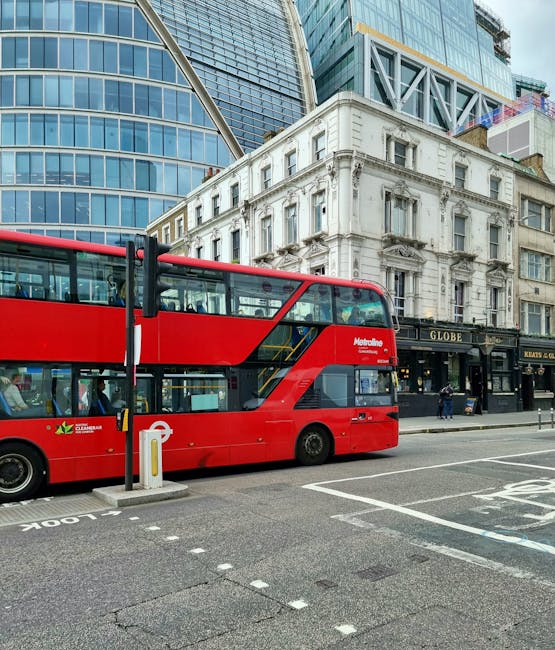
![Image showing a red double-decker bus traveling along a city street in Southborough, with shops and residential buildings lining the sidewalk. The scene captures a typical urban environment with parked cars, pedestrians, and overhead signage. The street appears to be suitable for home relocation or moving logistics, as [COMPANY_NAME], such as Man with Van Southborough, offers professional removals and furniture transport services. Visible in the foreground is a section of the road with faint white markings and red lines along the curb, indicating parking restrictions. The lighting is natural, suggesting daytime conditions, with a partly cloudy sky overhead. The environment reflects a busy high street often used for loading and unloading household items during professional packing and moving processes, aligning with the area’s suitability for house removals and logistical planning for urban relocations.](/pub/blogphoto/london-road-removals-southborough-tn4-best-routes2.jpg)
Common Mistakes to Avoid
Most moving delays do not come from one huge issue. They come from little assumptions stacking up. That is the annoying bit.
- Assuming the shortest route is the best route. It may be shorter in miles but slower in real life.
- Ignoring access restrictions. Low bridges, narrow entrances, resident-only parking, or timed loading bays can all affect the move.
- Not measuring furniture. A bed base, wardrobe, or sofa may fit in the van but fail at the stairwell. For beds especially, it helps to read how to relocate a bed and mattress smoothly.
- Leaving packing too late. Last-minute packing leads to mixed loads and makes route decisions harder.
- Forgetting building rules. Some flats or offices have specific access windows, lift bookings, or loading instructions.
- Trying to move too much in one trip. Overloading a van is bad for safety and often slower overall.
There is also the classic mistake of underestimating the emotional side. If the route feels rushed, the whole move feels rushed. If the route feels calm, the whole move tends to follow suit. That might sound a little soft, but it is true. Moving day has a way of amplifying whatever pace you set early on.
Tools, Resources and Recommendations
You do not need a complicated toolkit to plan a removal route well, but a few simple resources help.
- Phone maps with live traffic for checking congestion before departure.
- Measuring tape for doors, hallways, stair widths, and large furniture.
- Notebook or moving checklist to keep track of access notes and item priorities.
- Furniture blankets and straps for protecting loads in transit.
- Box labels so essentials stay easy to find once the van is unloaded.
For packaging and load organisation, packing and boxes in Southborough is a useful service page to review, especially if you want help preparing items before the route begins. If the move is larger or more complex, the wider services overview is a good place to see how different moving needs fit together.
It is also worth checking company details like pricing and quotes, about us, and insurance and safety. These pages help you understand how a provider works, what support is included, and how they approach risk management.
Small note, but a useful one: if your move has anything fragile, valuable, or unusually bulky, ask how those items will be handled before you book. It is a far better conversation to have in advance than while balancing a heavy object on a kerb at 8:00 in the morning.
Law, Compliance, Standards, or Best Practice
For removals in the UK, good route planning sits inside broader best practice around road safety, manual handling, and secure transport. You do not need a law degree to move house, thankfully, but you do need sensible care and compliance with normal road rules, parking restrictions, and property access terms.
Here are the main points to keep in mind:
- Parking and loading rules matter. A van should not block access or park where it is not permitted, even if the stop is brief.
- Manual handling should stay reasonable. Heavy or awkward items should be assessed before lifting. If something looks questionable, it probably is.
- Property rules apply. Flats, offices, and managed buildings may have their own move-in and move-out procedures.
- Vehicle load safety matters. Items should be secured so they cannot shift during braking or cornering.
If you are comparing removal providers, a good sign is a clear focus on safety and working practices, alongside formal pages like health and safety policy, terms and conditions, and payment and security. Those pages are not just paperwork. They help you understand how the service is structured and how carefully the business works.
For a more detailed look at responsible practice, some people also review recycling and sustainability when deciding how unwanted items will be handled. That matters if route planning is part of a larger declutter or disposal job.
Options, Methods, or Comparison Table
Different moving setups suit different route needs. Here is a simple comparison to help you think it through.
| Option | Best for | Strengths | Watch out for |
|---|---|---|---|
| Man and van | Small to medium local moves, single items, flexible timing | Agile, easier on narrow streets, usually quicker to position | May need multiple trips for larger moves |
| Full removal van | House moves, larger loads, more furniture | More capacity, fewer trips, better for structured loading | Needs better parking and turning space |
| Specialist item move | Pianos, beds, fragile furniture, awkward pieces | Extra care, more suitable handling, reduced damage risk | Usually requires specific preparation and planning |
| Same-day service | Urgent changes, last-minute clearance, quick relocations | Fast response, useful for time-sensitive situations | Availability may be tighter and route flexibility lower |
If you are moving a piano, do not treat it like a standard boxy item. There is a reason specialist services exist. A helpful read here is professional vs DIY piano moving. That one is worth a look before anyone decides they can "just get a few mates round". Famous last words, that.
Case Study or Real-World Example
Here is a realistic example based on the sort of move people often face around Southborough TN4.
A couple moving from a first-floor flat near London Road had a sofa, a bed frame, several boxes, and a small desk to relocate. On paper, it was a simple half-day move. In reality, parking outside the flat was limited, the stairwell was narrow, and the sofa needed an angle to clear the banister. The original idea was to use the nearest approach road and park directly outside. That would have been nice, but not realistic that morning because of parked cars and passing traffic.
Instead, the route was adjusted slightly. The van used a nearby safer stopping point, the bulky items were loaded first, and the heaviest pieces were moved while the team still had the most energy. Because the route had been thought through in advance, the move stayed steady instead of becoming a chain of small delays.
A small thing made a big difference: the bed was dismantled early, and the mattress was kept protected and easy to reach. If you are planning something similar, the advice in effortless house moving and the bed-moving guide above can help you avoid the "why is this suddenly so complicated?" moment that happens on many moves around 11:00 a.m.
The key lesson? A sensible route is not glamorous. It is just quietly effective. And on moving day, quietly effective is exactly what you want.
Practical Checklist
Use this checklist before the van arrives. It is basic, but it works.
- Confirm both addresses and access details.
- Check parking options and any loading restrictions.
- Measure large items and key doorways.
- Identify stairs, lifts, tight corners, and low ceilings.
- Prepare fragile items separately.
- Pack essentials and label boxes clearly.
- Decide which items load first.
- Keep keys, documents, and phones easy to reach.
- Make sure pathways inside the property are clear.
- Have water, snacks, and a charged phone ready. Sounds small, but it helps.
Expert summary: The best moving route is not simply the shortest one. It is the route that matches your vehicle, your property access, your timing, and the size of the load while keeping people and belongings safe.
Conclusion
London Road removals in Southborough TN4 work best when route planning is treated as part of the move itself, not as an afterthought. A thoughtful route reduces delays, protects your belongings, and makes the day feel less like a scramble and more like a controlled process. That is especially important if you are moving bulky furniture, working to a deadline, or dealing with tricky access.
As you prepare, focus on the practical basics: access, timing, load type, parking, and a realistic vehicle choice. Then build your move around those facts rather than hoping the day will sort itself out. A little planning goes a long way. It really does.
If you want support from a local team that understands Southborough routes, removal timing, and the realities of moving in and around London Road, it is worth reviewing the available service options and preparing your quote request early.
Get a free quote today and see how much you can save.
And if you are still weighing up the next step, take it one bit at a time. Good moves are rarely rushed; they are simply well put together.