Bulky Waste Removals in Southborough: Council Rules
Posted on 06/05/2026
If you have an old sofa by the door, a broken wardrobe in the hallway, or a mattress that has long outstayed its welcome, you are probably asking the same practical question: what is the right way to get rid of it in Southborough? Bulky Waste Removals in Southborough: Council Rules can feel straightforward at first, then suddenly they are not. One item is accepted, another needs booking, and a third is treated differently if it contains fridges, batteries, or hazardous parts.
That is where a clear, local guide helps. This article explains how bulky waste rules usually work in Southborough, what residents should check before arranging disposal, where people often trip up, and when a private removal service may be the simpler option. If you are clearing a home, preparing for a move, or just trying to reclaim a room that has turned into a storage zone, you will find practical answers here.
For readers who are also planning a larger move or declutter, it may help to look at decluttering before a house move and strategic packing ideas as well. They sit nicely alongside bulky waste planning, because the less you move, the less you pay to move. Simple, but true.
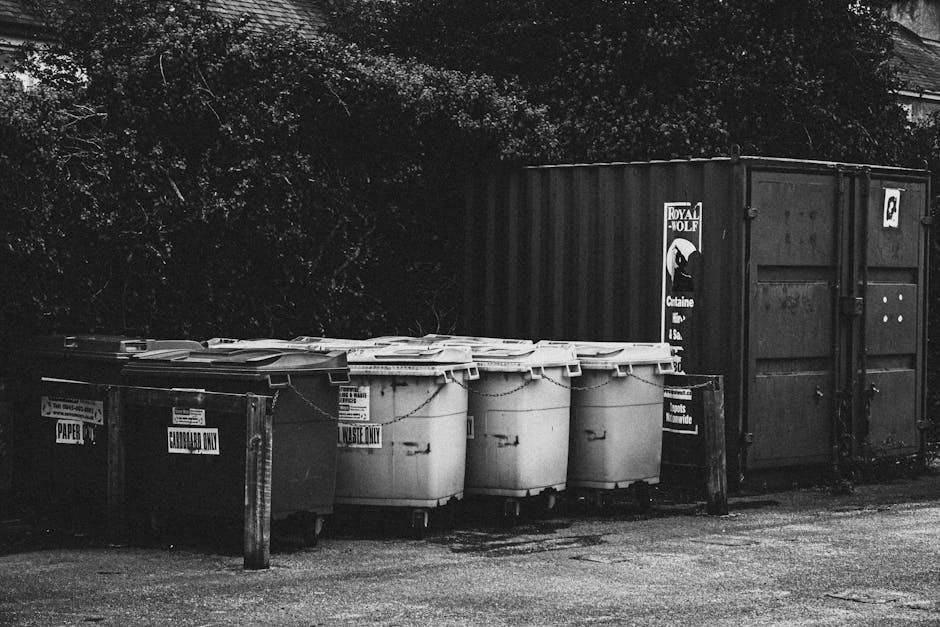
Why Bulky Waste Removals in Southborough: Council Rules Matters
Bulky waste is not the same as general household rubbish. It usually means large household items that are too big for standard bins, such as sofas, beds, wardrobes, tables, white goods, and similar awkward pieces. Council rules matter because these items can't just be left anywhere or bundled into normal collections. They need the right handling, the right booking process, and the right route to disposal or recycling.
In a place like Southborough, this becomes even more relevant because homes vary so much. A ground-floor flat, a terraced house with narrow stairs, and a family home with a long driveway all create different removal challenges. That is why a one-size-fits-all approach often falls apart. A bulky item that looks harmless in the front room can become a real problem once you try getting it down a staircase with a tight turn halfway. Let's face it, that is usually the moment people realise they should have planned ahead.
Another reason the council rules matter is timing. If you are moving out, there is a real difference between clearing one item on a quiet weekday and trying to shift half a room at the last minute. Missed collection dates, access issues, or confusion over what is accepted can slow everything down. That delay has a habit of turning a manageable task into an annoying one.
There is also a sustainability angle. Bulky waste often contains materials that can be reused, repaired, or recycled. Handling items correctly reduces the risk of fly-tipping, avoids contamination, and helps ensure that furniture or appliances are dealt with in the most responsible way available. If you are aiming for a cleaner clear-out, pairing this with recycling and sustainability guidance is a sensible move.
Practical takeaway: the council rules are not just bureaucracy. They help you avoid fines, missed collections, unsafe lifting, and that very real feeling of having a sofa stranded in the hallway for three days.
How Bulky Waste Removals in Southborough: Council Rules Works
While the exact process can change over time, bulky waste collections in UK local areas usually follow a similar pattern. The council generally sets out what counts as bulky waste, what can and cannot be collected, how many items may be booked, and whether the service is free or chargeable. Southborough residents should always check the current local arrangements before putting anything outside.
The usual process looks something like this:
- Identify the item and check whether it qualifies as bulky waste.
- Confirm whether it is accepted by the council collection service.
- Check if any special handling is needed for electrical, metal, or hazardous parts.
- Book the collection using the council's process.
- Place the item in the agreed location at the agreed time.
- Keep the access path clear so the crew can remove it safely.
That sounds simple enough, but the detail matters. A sofa may be accepted, yet a sofa-bed with a mechanism can sometimes be treated differently. A fridge might be classed as an appliance, but the refrigerant and electrics mean it needs proper treatment. A garden table may be straightforward, while a dismantled wardrobe with loose glass panels needs a bit more care. Tiny differences, sometimes, make all the difference.
Some households also choose a private van or removal service when the council route is too slow, too limited, or too awkward for the job. If that sounds familiar, a page like removal services in Southborough may be useful for understanding broader support options. For quick, local clearances, the flexibility of man and van support can also be a practical alternative, especially for heavier single-item jobs.
In everyday terms, the choice is usually between convenience, cost, and timing. Council collection may be the right fit for a small, non-urgent disposal. A paid removal service may suit you better if the item is heavy, urgent, or part of a larger clear-out.
Key Benefits and Practical Advantages
Understanding the rules brings more benefits than many people expect. The first is obvious: you avoid a last-minute mess. The second is less obvious: you avoid unsafe lifting and transport mistakes. Bulky waste is often awkward rather than just heavy. It catches on door frames, shifts in the van, or lands in a way that damages the item or the property. No one wants that.
Here are the most useful advantages of planning properly:
- Cleaner compliance: you are less likely to leave waste out incorrectly or miss booking conditions.
- Lower stress: you know what is happening, when it is happening, and what to do next.
- Safer handling: fewer rushed lifts, fewer strained backs, fewer scraped walls.
- Better recycling outcomes: suitable items are more likely to be reused or processed correctly.
- Smarter moving plans: you do not spend money relocating things that should have been removed first.
There is also a practical home-management benefit. Clearing bulky waste often opens up space you had mentally written off. The spare room becomes usable again. The garage stops feeling like a storage cave. Even one removed item can change how a space feels. The room looks bigger, lighter, quieter. You notice it as soon as you walk in.
For households preparing a full move, it can be smart to coordinate bulky waste with other tasks such as house removals in Southborough or flat removals in Southborough. That way, the move is not slowed down by one stubborn item that should have left two weeks earlier.
Who This Is For and When It Makes Sense
Bulky waste guidance matters to more people than just homeowners. Tenants, landlords, students, office managers, and families in the middle of a clear-out all run into the same issue eventually. The difference is usually in scale, timing, and access.
This is especially relevant if you are:
- moving house and need to reduce load before moving day
- replacing furniture or appliances
- clearing a probate property
- refreshing a rental between tenancies
- emptying a loft, garage, or garden storage area
- dealing with an item that is too heavy or awkward for normal disposal
If you are a student leaving accommodation, bulky waste can become a small headache very quickly. A desk, chair, mattress, or broken shelving unit can be easy to ignore until the final day. That is exactly the kind of scenario where a local service such as student removals in Southborough can help tidy up the end of term or the end of a tenancy without unnecessary drama.
It also makes sense for people who simply do not have access to a van, or who don't fancy dragging a wardrobe around on a wet Tuesday morning. To be fair, most people don't. If the item is bulky enough to need two people or a trolley, you are already in the zone where planning matters more than enthusiasm.
Step-by-Step Guidance
If you want to handle bulky waste the sensible way, the best approach is to work through the job in order. A bit of structure saves time later.
1. Identify the item
Write down exactly what needs removing. Sofa, mattress, fridge, wardrobe, bed frame, freezer, office chair, or mixed items. The more specific you are, the easier it becomes to decide on the right disposal route.
2. Check whether it is suitable for council collection
Some items are accepted easily; others may have restrictions. Electricals, fridges, items containing hazardous materials, and anything with sharp or broken parts may need special handling. Do not assume. Small assumptions cause bigger headaches.
3. Measure access points
Doorways, stairs, narrow halls, and parking space all matter. If the item barely fitted into the room in the first place, it may not be as easy to get out as you think. Southborough properties can have awkward entries, and a quick check before removal day saves a lot of muttering.
If access is likely to be difficult, the advice in local access and parking tips is worth a look. It can prevent a collection that looked fine on paper from turning into a waiting game in the street.
4. Decide whether to dismantle
Some pieces are much easier to remove in sections. Bed frames, wardrobes, shelving, and table legs are obvious examples. Dismantling helps with safe lifting, but only if you keep screws and fittings together. A small labelled bag can save ten minutes of hunting later. Yes, ten minutes. Which feels like an hour when you are already tired.
5. Clear the route
Move rugs, shoes, lamps, planters, and anything else that could catch underfoot. If the item needs to come through a tight turn or down stairs, make the path as clean and open as possible. It sounds basic because it is basic, but basic is often what keeps things safe.
6. Arrange the right transport or collection
If the council service fits your needs, follow its booking process carefully. If it doesn't, a private removal solution may be better. You can compare options through removal companies in Southborough or look at man with a van services for flexible collection support.
7. Confirm the handover details
Double-check the time, location, and any instructions about placement. If the item must be left at the kerbside, make sure it is not blocking pavements or entrances. If it needs to remain inside until collection, keep the pathway free and avoid moving it again unnecessarily.
Expert Tips for Better Results
The biggest improvements usually come from a few small habits rather than some grand system. In our experience, those little habits matter more than people expect.
- Take a quick photo of the item first. It helps if you later need to check dimensions or describe it to a removal service.
- Remove cushions, shelves, drawers, and detachable parts. Lighter pieces are easier to carry and less likely to snag.
- Use gloves and sturdy footwear. Not glamorous. Very useful.
- Protect corners and floors. Old blankets, cardboard, or moving covers can prevent scuffs.
- Do heavy lifting at a sensible time of day. Early morning or when you are not already exhausted makes a real difference.
- Do not wait until the day before a move. That is the classic mistake. The calendar will forgive you; your back might not.
If the bulky item is part of a wider relocation, a little organisation goes a long way. Guides on stress-free house moving and pre-move cleaning can help you sequence the work sensibly rather than just react to it.
One more thing: if an item smells musty, has damp damage, or seems unstable when touched, handle it carefully. Old upholstered furniture and neglected storage items can hide dust, mould, and loose fixings. Not exciting, but worth respecting.

Common Mistakes to Avoid
Most bulky waste problems are avoidable. The annoying part is that the mistakes are usually made for perfectly understandable reasons. People are busy, rushing, or just trying to get the thing out of the house quickly.
- Leaving items out without checking the rules. That can lead to missed collection or an unwanted follow-up.
- Assuming everything counts as standard bulky waste. Appliances, electricals, and mixed-material items may need separate handling.
- Underestimating the weight. A cabinet or mattress may look manageable until you tilt it awkwardly.
- Forgetting access issues. Narrow stairs and limited parking can stall a job very fast.
- Ignoring dismantling opportunities. A few screws removed in advance can transform the whole task.
- Not checking what can be recycled or reused. Reusable furniture should not be treated like general rubbish if it can be avoided.
One particularly common error is trying to move items alone that really need two people. If that sounds familiar, it is worth reading the guide to lifting heavy objects safely first. And if you are tempted to improvise with back strain and a stubborn grin, the lifting technique article offers a better way to think about body mechanics. Slightly nerdy, yes. Also useful.
Tools, Resources and Recommendations
You do not need a warehouse of kit to deal with bulky waste properly, but a few practical tools make life easier. Most are simple, and that is the point.
- Work gloves: for grip and to reduce scrapes from rough edges or splinters.
- Sturdy footwear: trainers or boots with decent support are far better than slippers, obviously.
- Furniture sliders or moving blankets: useful for protecting floors and shifting heavier items indoors.
- Measuring tape: a small thing that prevents big access mistakes.
- Labels and bags for fixings: ideal if you dismantle beds, wardrobes, or shelving.
- A trolley or sack truck: only if the item and access route suit it.
For bigger pieces of furniture, the right support can be the difference between a smooth removal and a frustrating one. That is where specialist pages like furniture removals in Southborough and piano removals in Southborough matter, because they show how a careful handling approach changes depending on the item. A piano is not a sofa, clearly, but the underlying idea is the same: awkward objects need controlled movement.
Storage can also play a role. If you are not ready to remove an item permanently but want it out of the way, storage in Southborough may help bridge the gap between decluttering and final disposal. That is often handy during moves, refurbishments, or probate clearances.
Law, Compliance, Standards, or Best Practice
When dealing with bulky waste, the safest rule is to follow local collection instructions and avoid leaving waste in a way that blocks roads, pavements, or shared access. In the UK, householders also have a general responsibility to make sure waste is handled by a legitimate route. That means avoiding unverified disposal arrangements and being cautious about who takes the item away.
Good practice usually includes the following:
- using approved council routes where suitable
- checking whether the item needs dismantling or special treatment
- separating hazardous components where required
- keeping access clear for handlers
- ensuring any private removal provider works safely and responsibly
Safety matters, especially with heavier or awkward items. A reputable removal business should have clear processes for handling, loading, and protecting property. If you want reassurance on that front, the site's health and safety policy and insurance and safety information are useful trust signals to review before booking any service.
There is also a wider best-practice point here: recycling and reuse should be considered before disposal wherever possible. A table, chair, or bed frame may still have a second life if it is in decent condition. And if it is not, then proper processing is the next best thing. No drama. Just responsible handling.
Options, Methods, or Comparison Table
Choosing the right route depends on the item, urgency, and how much effort you want to spend. Here is a simple comparison that captures the practical differences.
| Option | Best for | Pros | Things to watch |
|---|---|---|---|
| Council bulky waste collection | Single or small numbers of household items | Familiar process, local service, suitable for standard items | May involve booking limits, timing constraints, and item restrictions |
| Private man and van removal | Faster turnarounds, awkward access, mixed loads | Flexible, often more convenient, can handle lifting and transport | Cost varies and you need to check what is included |
| Reuse or donation route | Items in good usable condition | More sustainable, can keep items out of waste streams | Not suitable for damaged, dirty, or unsafe items |
| DIY disposal to a facility | People with a suitable vehicle and time | Complete control over timing | Physical effort, access issues, and loading risks |
For many Southborough households, the choice is not about which option is "best" in theory. It is about which one fits the day you have available, the size of the item, and whether you want to wrestle with loading a heavy frame into a vehicle on your own. That is where a local service such as removal van support or broader removals in Southborough can save time and effort.
Case Study or Real-World Example
Picture a fairly ordinary Southborough clear-out. A couple are preparing to move from a house with a box room that has quietly become a storage dump. There is a mattress, an old wardrobe, two broken dining chairs, and a freezer that no longer works. At first they assume they can do everything on the final weekend.
Then the details start to bite. The wardrobe is too wide for the landing unless it is dismantled. The freezer needs careful handling. The mattress is fine to lift, but awkward to bend around a corner. Parking is limited and the van cannot sit outside for long. By Saturday afternoon, the plan is wobbling.
What helped most was breaking the job down earlier in the week. They sorted the items into three groups: council-eligible bulky waste, items that needed special handling, and things worth keeping in storage for a short while. They also checked access before the removal day and booked support for the heavier bits. The result was not dramatic. Just calmer. Less noise, fewer trips, no arguing in the hallway. A small win, but a real one.
That same approach works whether you are clearing a flat, a family home, or an office back room. If the job is bigger than one person with two hands and a hope, give it structure. Your future self will thank you, probably while making tea after the hard work is done.
Practical Checklist
Use this checklist before you arrange bulky waste removal in Southborough.
- Confirm exactly which items need removing
- Check whether any item contains electrics, refrigerant, glass, or hazardous parts
- Measure doors, stairs, hallways, and vehicle access
- Decide whether items should be dismantled first
- Separate reusable items from genuine waste
- Book council collection or a private service in good time
- Clear the route to the item before collection day
- Keep screws, fittings, and small parts in labelled bags
- Protect floors, walls, and corners during movement
- Confirm the handover location and timing
If you are tackling the clear-out as part of a bigger move, the most useful preparation often comes from pairing this checklist with bed and mattress relocation advice and the case for professional piano moving. Those articles may seem specific, but they sharpen your judgement on heavy-item handling across the board.
Conclusion
Bulky Waste Removals in Southborough: Council Rules are easiest to manage when you treat them as part of the wider household plan, not as an afterthought. Check what the council accepts, understand access and safety issues, and decide early whether the job is simple enough for a collection or better suited to a removal service.
The real value is not just getting rid of an old item. It is getting the job done cleanly, safely, and without the last-minute scramble that makes even a small clearance feel bigger than it is. A little planning now saves a lot of hassle later. And honestly, that's a pretty good trade.
If you are preparing a move, clearing space, or just want a smoother way to deal with awkward furniture, compare your options carefully and choose the route that fits your home, your timing, and your back. Calm is underrated.
Get a free quote today and see how much you can save.
When the clutter finally goes, the room feels different. Lighter. Easier. More yours again.