Southborough removals guide for Tunbridge Wells station pickups
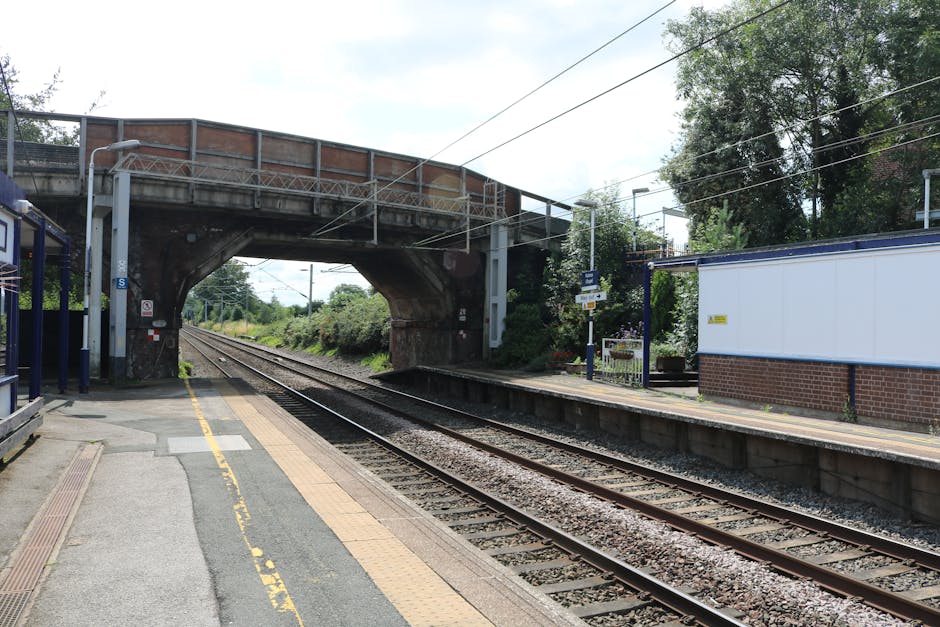
If you are planning a move in Southborough and need a pickup from Tunbridge Wells station, the whole thing can feel a bit more complicated than it first looks. Trains arrive, taxis queue, the forecourt gets busy, and suddenly a simple collection becomes a timing puzzle. This Southborough removals guide for Tunbridge Wells station pickups breaks the process down in plain English so you can avoid delays, reduce stress, and keep your belongings moving smoothly. Whether you are collecting a few boxes, a sofa, or a full household load, the key is preparation. A little planning goes a long way, especially around station access, loading time, and vehicle positioning.
Below, you will find a practical walkthrough of how station pickups work, what to expect from a local removals team, and the mistakes that catch people out most often. There are also checklists, a comparison table, and a few real-world pointers from the sort of situations people run into on moving day. Not glamorous, perhaps, but very useful.
- Why station pickups matter for Southborough moves
- How a Tunbridge Wells station pickup usually works
- Key benefits and practical advantages
- Who this is for and when it makes sense
- Step-by-step guidance
- Expert tips for better results
- Common mistakes to avoid
- Tools, resources and recommendations
- Law, compliance, standards, or best practice
- Options, methods, or comparison table
- Case study or real-world example
- Practical checklist
- Conclusion
- Frequently asked questions
Why Southborough removals guide for Tunbridge Wells station pickups Matters
Station pickups sound straightforward until you have to do one. Then the details start to matter. Tunbridge Wells station is a busy transport point, so any collection needs to work around passenger traffic, short parking windows, and the practical challenge of getting items from platform-side arrival to vehicle loading without losing time.
For Southborough residents and businesses, that matters for a few reasons. First, many moves are not full-property removals. You might be collecting a bed frame from a relative, picking up office furniture, or moving a student's belongings after term ends. In those situations, a nimble man and van setup can be more sensible than booking a huge vehicle. Second, station pickups often involve awkward timing. Train delays happen. Someone misses a connection. A box goes missing in the luggage shuffle. You need a removals plan that can flex a little.
To be fair, the biggest issue is usually not distance. Southborough and Tunbridge Wells are close enough. It is the handoff point that creates the challenge. If you arrive too early, you may be sitting around. Too late, and you risk frustrating the person waiting at the station, or worse, missing a short loading window. That is why the right removals company should think like a dispatcher, not just a driver.
For larger or more structured moves, it is also worth looking at broader services such as removal services or, if the move is household-based, home moves and house removals. The station pickup may be only one part of the job, but it sets the tone for the rest of the day.
How Southborough removals guide for Tunbridge Wells station pickups Works
The process is usually simpler than people expect, but the details matter. A station pickup for a Southborough move generally follows a sequence: booking, timing, arrival instructions, loading, and onward delivery. The idea is to remove guesswork from a very time-sensitive handoff.
Here is the practical version. You confirm what needs collecting, where the items will be handed over, and whether the pickup is from the main station entrance, a side access point, or another agreed meeting place nearby. The removals team then plans the vehicle size, route, and arrival time. If the collection includes furniture or several boxes, the team may also bring packing materials or protective covers, depending on the service arranged.
That sounds tidy on paper. In real life, a few things can move around: the train could arrive a few minutes early, the sender may still be carrying items out of the station, or traffic on the approach roads may slow everything down. Good planning allows for a bit of that wobble.
Many customers also combine station pickups with other services such as man and van, man with van, or movers. These are often the best fit when you need enough muscle for lifting but not a full-scale moving truck operation.
One detail that gets overlooked is access. If the pickup involves stairs, a long walk from the meeting point, or heavy items like wardrobes and white goods, you need to say so early. No one enjoys discovering the loading point is 200 metres away once the van is already there. Not ideal, let's face it.
Key Benefits and Practical Advantages
Why choose a station pickup arrangement at all? Because it can be genuinely efficient when the move is small, time-bound, or split across locations. The benefits are not abstract; they show up in the minutes you save and the stress you avoid.
- Less wasted time: the vehicle and helper can be scheduled to arrive close to the actual handover time.
- Better control: you can coordinate the handoff in one place rather than asking someone to juggle multiple addresses.
- Flexible load size: station pickups are often ideal for medium or smaller loads that do not need a full removal van.
- Reduced carrying distance: if the meeting point is chosen well, items can be moved from train to vehicle quickly.
- Lower disruption: you avoid having a large removals operation sitting in a residential street for longer than needed.
There is also a trust benefit. When the booking is handled clearly, everyone knows where they need to be and when. That matters if you are collecting sentimental belongings, rental move-out items, or business stock. The calmer the handoff, the smoother the rest of the journey.
If the pickup is just part of a bigger relocation, you may want to pair it with packing and unpacking services so the station transfer does not become a bottleneck. That can be especially helpful for people moving from a flat, a student property, or a small office.
Who This Is For and When It Makes Sense
This approach is not for every move, and that is fine. It makes the most sense for people who need a practical handoff at Tunbridge Wells station and then onward transport into Southborough or beyond.
Typical users include:
- students collecting belongings after travel
- families moving items from a relative arriving by train
- small business owners picking up stock or furniture
- people collecting online purchases or second-hand furniture
- home movers who need to split a move into stages
It also suits anyone who values speed over ceremony. If you are moving a sofa, a mattress, a few suitcases, or a handful of boxed kitchen items, a station pickup can be the easiest way to bridge the gap between rail travel and local delivery. On the other hand, if you have a whole house to move, the station is probably just one detail in a broader plan.
For larger domestic projects, look at the wider family of services such as house movers, house removalists, or even man with van removal if you want something more tailored than a standard van hire arrangement.
Sometimes the right answer is a hybrid one. A station pickup for one part of the move, then a second trip later for the heavier stuff. Bit of a juggle, yes, but it can be far less stressful than forcing everything into one impossible window.
Step-by-Step Guidance
Here is a practical step-by-step plan you can follow if you want the pickup to run smoothly.
- List everything being collected. Include furniture, boxes, fragile items, and anything awkward like mirrors or lamps.
- Confirm the exact meeting point. Do not leave it at "the station". Be precise about the entrance, forecourt, or agreed side access point.
- Check timing against the train. Build in a buffer. Trains are not always as punctual as we would like, and moving day has enough surprises already.
- Choose the right vehicle size. Too small and you risk a second trip. Too large and you may pay for capacity you do not need.
- Prepare packing and protection. Use blankets, tape, strong boxes, and labels. If needed, arrange a service that includes professional packing support.
- Share access details early. Mention stairs, lifts, parking limitations, or any item that needs two people to lift safely.
- Keep the handover simple. Have the person releasing the items ready with keys, labels, or a checklist so nothing stalls on the platform.
- Inspect before departure. Quick check: are all boxes present, are fragile items secure, and is the vehicle loaded in a sensible order?
That last point is worth emphasising. A rushed load can mean heavy items crushing lighter ones or fragile boxes ending up under the wrong thing. No drama, just avoidable annoyance.
If you are trying to coordinate a collection with a tight budget, reviewing pricing and quotes before you book can help you match the service to the job properly. If the move is more commercial in nature, commercial moves may be a more fitting route.
Expert Tips for Better Results
In our experience, the smoothest station pickups are the ones where the customer makes three decisions early: where, when, and how much. Everything else sits on top of that.
Choose the simplest possible handover point. If the station forecourt is crowded, a nearby street-side meeting point may work better, as long as it is safe and agreed in advance. A few extra metres on foot is often easier than fighting traffic noise and tight kerbs.
Label items in the order you want them loaded. If you know the sofa must go in first or the fragile box needs to stay accessible, say so. The team can then build the load properly instead of playing suitcase Tetris in the van.
Use soft items to protect hard items. A duvet, blanket, or moving pad can stop scratches on furniture. Nothing fancy. Just practical.
Keep one phone charged and reachable. That sounds obvious, but it is the sort of detail people forget just when they need it most.
Tell the truth about the volume. If there is a hidden pile in the station locker or an extra box that "just turned up", mention it. Small surprises become large ones when the vehicle is already packed.
Think about return travel. If you are the person travelling to Tunbridge Wells station, make sure you know how you are getting home or to the next stop once the items are handed over. The moving team cannot solve your train connection, although they may wish they could.
One more thing: if the pickup includes a heavy or valuable item, ask about insurance and safety before moving day. It is a simple question and a sensible one.
Common Mistakes to Avoid
The common errors are usually boring, which is exactly why they are so effective at derailing a move. Small oversights create big inconvenience.
- Booking too late: if you leave the arrangement until the day before, you may be stuck with poor timing or the wrong vehicle.
- Assuming the station is easy to stop at: many people discover the hard way that "quick stop" and "station access" are not the same thing.
- Not counting stairs, lifts, or long walks: this affects both labour and loading time.
- Packing fragile items loosely: a station pickup can involve a fair bit of movement and vibration, especially on uneven roads.
- Overestimating what one van can carry: a van fills up faster than you think.
- Forgetting parking considerations: where will the vehicle wait, and for how long?
- Failing to confirm the handover name and phone number: if the wrong person is at the station, the whole plan can wobble.
One tiny but nasty mistake is to pack essentials in the same box as non-essentials. Then, when you arrive in Southborough, the kettle is buried under the winter coats. Happens all the time. No one laughs then.
If you are searching for a broader local helper, removals near me is often a useful starting point, but the real value is choosing the service that fits the pickup rather than just the closest listing.
Tools, Resources and Recommendations
You do not need a shed full of equipment to make a station pickup work. A few sensible tools make a big difference.
- Strong boxes: use boxes that can handle movement and stacking.
- Packing tape: proper tape, not a half-used roll that gives up halfway through.
- Labels or marker pens: especially helpful if items are going straight into storage or a second property.
- Blankets and covers: useful for tables, mirrors, and polished surfaces.
- Straps or ties: good for keeping items stable in transit.
- Phone notes or a printed list: a very basic tool, but brilliant when you are under pressure.
From a service perspective, it can help to review pages on man with a van, moving van, and removal van to understand what type of vehicle or service level suits your pickup. If the job is more specialised, the site's removal company and removal services pages may also help you compare the practical options.
For business users, there is also a strong case for reviewing office removals and office relocation services if the station collection is tied to workplace moves, archive pickups, or equipment transfers. Different job, same logistical mindset.
Law, Compliance, Standards, or Best Practice
Station pickups are not usually about complicated legal issues, but there are still important standards and common-sense duties to keep in mind. The main one is safe loading and unloading. Items should be handled with care, secured properly in transit, and lifted in a way that reduces the chance of injury.
In the UK, movers normally work to sensible health and safety practices, including proper manual handling, clear communication, and appropriate vehicle loading. That does not mean every move needs formal paperwork. It does mean a responsible removals provider should think about weight, balance, trip hazards, and access before the van door opens.
There are also practical privacy and payment considerations. If you are booking a move involving personal items, make sure you understand how your details are handled and what the terms of the booking cover. A decent provider should make this clear. You can review privacy policy, payment and security, and terms and conditions before confirming anything.
For customers who care about responsible disposal or reuse, it is also sensible to look at recycling and sustainability. Not every station pickup becomes a full removal job, but if unwanted furniture or mixed loads are involved, thinking ahead helps reduce waste.
And yes, it is worth asking how the company handles complaints or service issues too. You probably will not need it. Still, it is reassuring to know the process exists. See the complaints procedure if you want to understand how concerns are managed.
Options, Methods, or Comparison Table
There is no single best method for every station pickup. The right choice depends on volume, timing, and how much help you need with lifting.
| Option | Best for | Strengths | Watch out for |
|---|---|---|---|
| Man and van | Smaller moves, mixed boxes, simple collections | Flexible, quick, often cost-effective | Can be limited for bulky furniture or larger loads |
| Removal van | Medium-sized pickups and structured moves | More capacity, better for protected loading | May be more vehicle than you need for very small jobs |
| Full removals service | Larger households or business relocations | Better coordination, more support, less lifting for you | Usually more involved than a simple station pickup |
| Furniture pick-up only | One-off item collections | Simple and focused | Not ideal if you also have boxes or extra items |
For many Southborough customers, the best fit is a light, well-organised service rather than the biggest one available. If you are unsure, looking at furniture pick-up can help when the job is centred on a single large item, while removals van is often better when there is a bit more to carry.
Truth be told, choosing the right method is often less about being "cheap" or "premium" and more about matching the service to the actual job. That is where the savings usually are.
Case Study or Real-World Example
Here is a realistic example based on the kind of station pickup people arrange all the time. A Southborough customer needs to collect a small flat's worth of belongings from Tunbridge Wells station after a train arrival from further afield. The items include three suitcases, four boxes, a dismantled bedside table, and a medium-sized lamp. Nothing huge, but awkward enough to need help.
The customer confirms the meeting point the night before, shares the train arrival window, and flags that one suitcase is heavy with books. The removals helper arrives slightly early, waits in a sensible place, and helps move the load straight into the vehicle. Because the boxes were labelled and the fragile lamp was packed separately, the loading takes only a few minutes. From there, everything heads to Southborough in one trip.
What made it work? Not luck. Clarity. The handover point was simple, the load was realistic, and the people involved kept communication short and direct. No drama. No hunting for a missing box at the last minute. Just a clean transfer.
Now compare that with the less ideal version: no exact meeting point, no contact number, and a surprise extra chair added at the station. You can probably guess how that goes. A bit messy, then more messy.
Practical Checklist
Use this checklist before your station pickup day. It is plain, but it works.
- Confirm the exact pickup location at Tunbridge Wells station
- Share the train arrival time or collection window
- List every item to be collected
- Identify anything fragile, heavy, or awkward
- Choose the right vehicle type and capacity
- Check for stairs, lift access, or long walking distance
- Prepare boxes, tape, labels, and coverings
- Keep one contact number available on the day
- Review payment, terms, and safety details in advance
- Allow a little extra time for delays or parking issues
If the move is tied to a bigger home relocation, it can help to organise the rest through home moves or house removals so you are not trying to hold the entire operation in your head at once. That is a fast route to forgetfulness, and nobody needs that on moving day.
Conclusion
A Southborough removals guide for Tunbridge Wells station pickups is really about one thing: making a small but timing-sensitive move feel orderly. Once you know the exact handover point, the load size, and the vehicle you need, the rest becomes much easier. The station itself is just the setting. The real success comes from preparation, clear communication, and choosing a removals service that understands local conditions.
For many people, this kind of pickup is the cleanest way to bridge travel and delivery without turning the day into a long, stressful puzzle. Keep the plan simple, pack carefully, and leave a little room for the unexpected. That tends to be where the smooth moves happen.
Get a free quote today and see how much you can save.
And if your move feels a bit messy around the edges, that is normal. The aim is not perfection. It is getting everything home safely, with your shoulders still relaxed at the end of the day.
Frequently Asked Questions
What is a Tunbridge Wells station pickup in removals terms?
It is a collection arranged around the station, where items are handed over at or near Tunbridge Wells station and loaded into a vehicle for onward transport, often into Southborough or nearby.
Is a man and van service suitable for station pickups?
Yes, often it is. A man and van arrangement is usually a good fit for small to medium loads, especially when speed and flexibility matter more than a large vehicle.
How much notice should I give for a station pickup?
As much as you reasonably can. A bit of notice helps with vehicle planning, timing, and access checks. Same-day bookings may be possible in some cases, but they are harder to coordinate well.
What if the train is delayed?
Tell the removals provider as soon as you know. A little delay is usually manageable if everyone communicates clearly. The problem is silence, not the delay itself.
Can you collect furniture from the station?
Yes, if the item is practical to move and the handover point is workable. For larger or single-item collections, furniture pick-up is a useful service to consider.
Do I need to pack everything before the pickup?
Ideally, yes. Loose items slow things down and create more handling risk. If packing support is needed, it is better to arrange it in advance than to improvise on the day.
What should I tell the removals team before the pickup?
Tell them what is being collected, how many items there are, whether anything is fragile or heavy, and where exactly they should meet you. Specific details make the job easier for everyone.
Are station pickups better than home collections?
Not always. They are better when the handover naturally happens at the station or when timing is tighter than a home collection would allow. For other moves, a direct home pickup can be simpler.
How do I know whether I need a removal van or a full removals team?
If the job is mainly a straightforward transfer with a moderate load, a removal van may be enough. If you need more coordination, packing help, or larger capacity, a fuller removals service may suit you better.
Can station pickups be combined with office moves or business collections?
Absolutely. If the items are business-related, it may make sense to look at commercial moves or office removals depending on the scale and purpose of the move.
What is the biggest mistake people make with station pickups?
The most common mistake is vague planning. If the exact meeting point, timing, and load size are not clear, the pickup becomes much harder than it needs to be. Simple details save the day, honestly.
Where can I learn more about the company before booking?
You can review the company background on the about us page and check practical policies such as health and safety policy and insurance and safety before you decide.